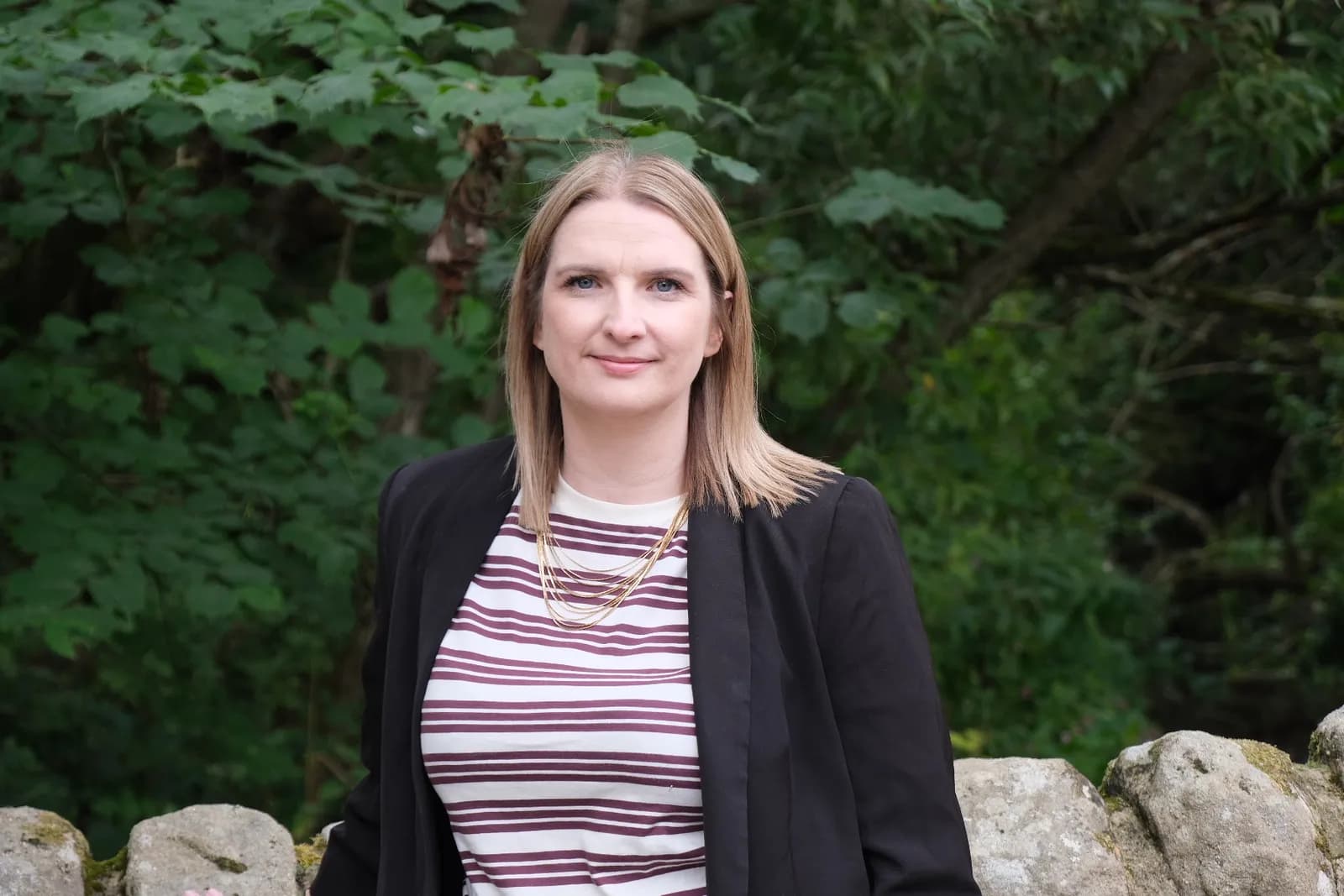
For years, Katie Uzzell from Cleckheaton had been curious about her family’s risk of cancer.
Her mum, grandma and great grandma had all been treated for a type of womb cancer called endometrial cancer, which sparked questions about whether there might be a hereditary link.
Reassured by doctors that there was nothing to worry about, Katie put it to the back of her mind and continued with life.
But then, out of the blue and without any obvious symptoms, she was diagnosed with bowel cancer at the age of just 33.
During a challenging experience that means she is still living with cancer more than five years after her diagnosis, Katie was referred to a genetics doctor.
She subsequently discovered she has an inherited genetic condition called Lynch syndrome, which increases the risk of several cancers including bowel, endometrial and ovarian cancer.
Now, Katie can’t help but wonder if her experience could have been prevented.
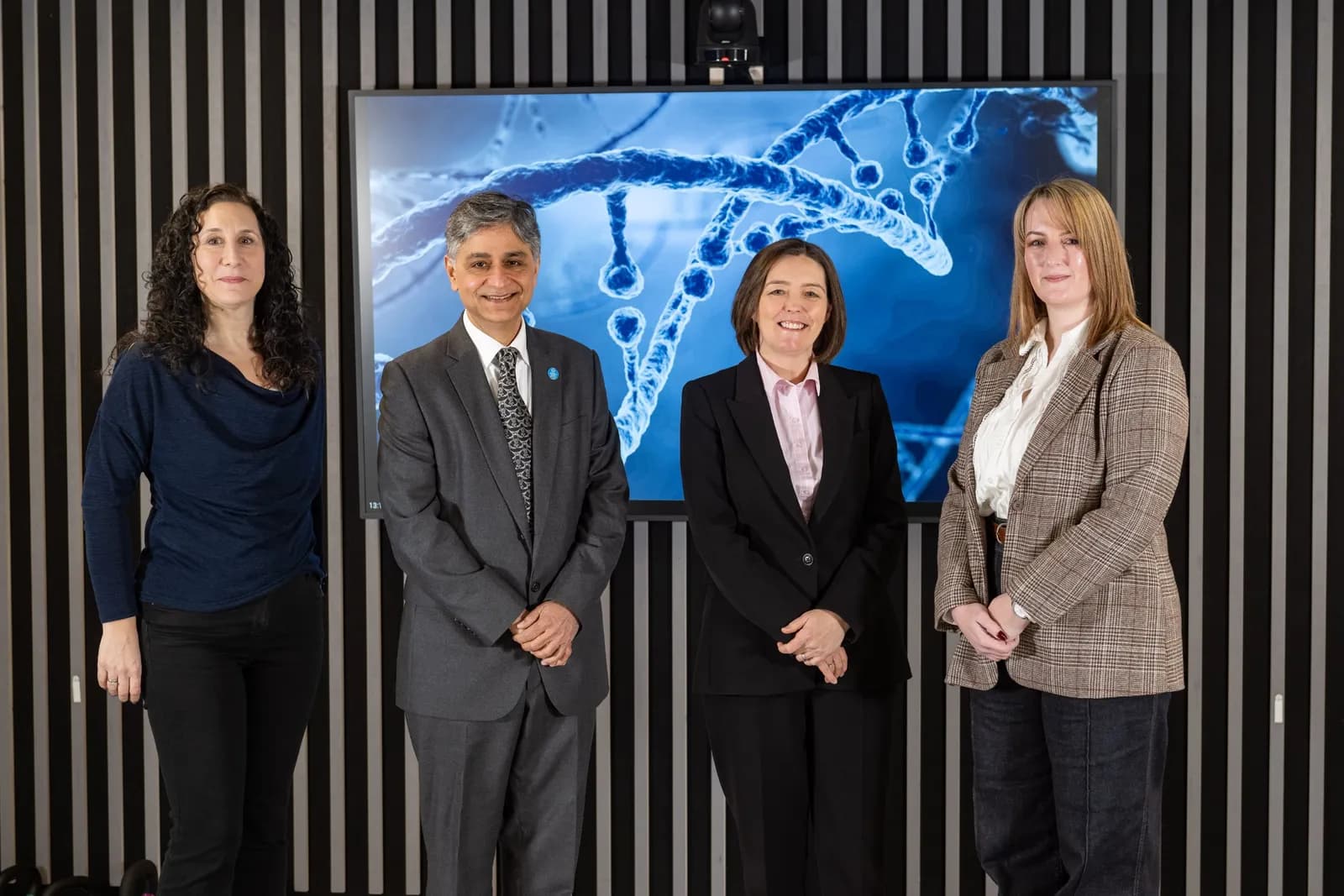
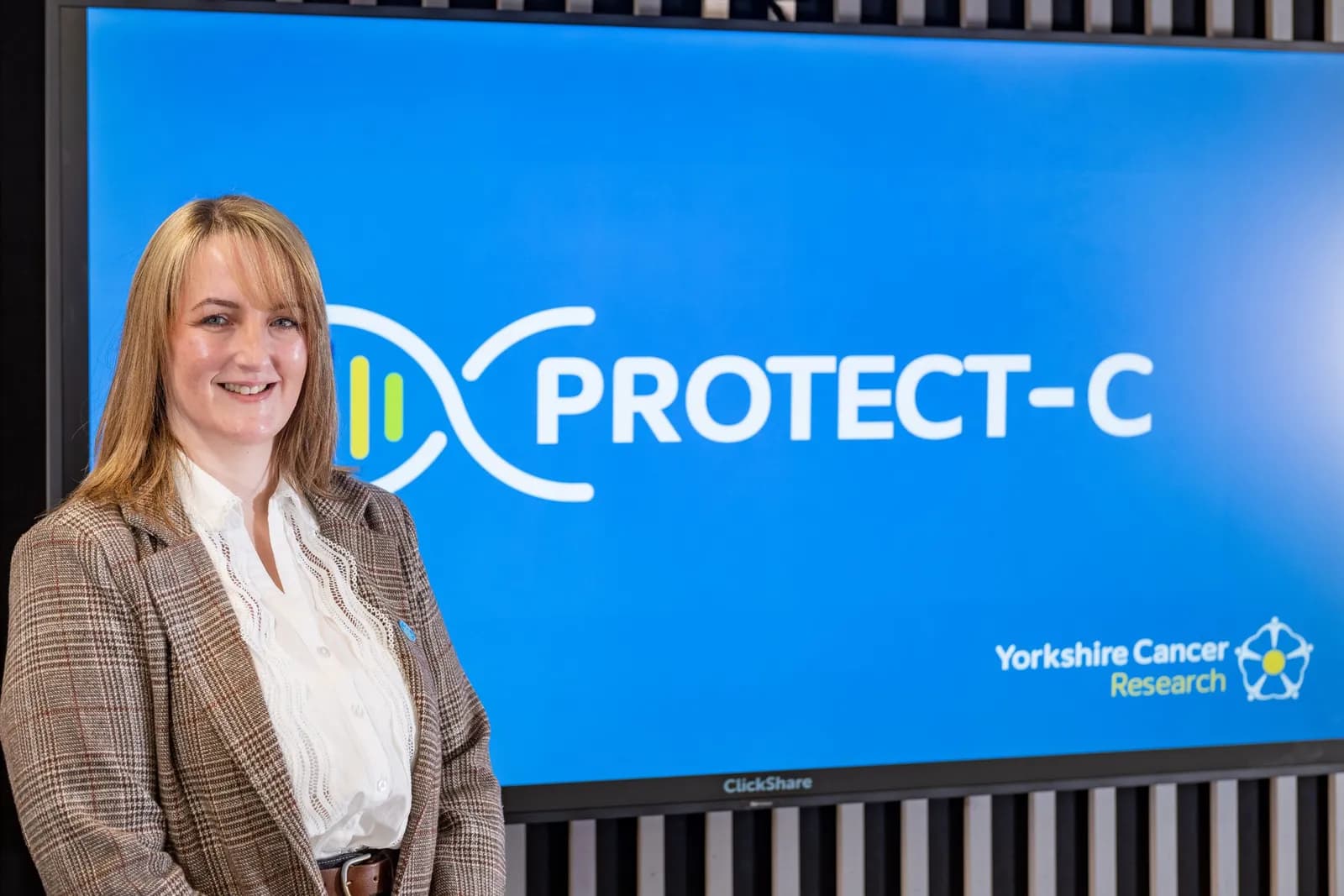
That’s why she is supporting PROTECT-C, a new clinical trial funded by Yorkshire Cancer Research that will give thousands of women in Yorkshire and beyond the opportunity to take part in pioneering genetic screening that could help them take action to reduce their risk of cancer or find it early.
Katie says:
"If we’d had the test for Lynch syndrome years ago when the family first asked about a genetic link, maybe I wouldn’t be in the position I’m in now
"I’ve had a lot of ups and downs since my diagnosis. It’s been an experience I wouldn’t have wished on my worst enemy. If there’s any way I can stop one person from going through what I’ve been through, I’ll do it."
Diagnosis and treatment
In summer 2019, Katie had just returned to her hometown of Cleckheaton. Struggling with persistent allergies, she decided to visit her doctor to request antihistamines.
Noticing that Katie appeared unusually pale, the doctor ordered blood tests. This careful decision ultimately led to her being diagnosed with bowel cancer.
Her treatment began with chemotherapy to shrink the tumour, followed by surgery to remove a third of her colon.
Her medical team were hopeful and believed they had removed all the cancer, but during a further course of chemotherapy it was discovered that it had returned in her duodenum, which is the first part of the small intestine immediately beyond the stomach.
The cancer left her unable to eat or drink and she lost significant weight, but following a procedure to help her digest food, Katie started an immunotherapy called nivolumab.
Although this treatment had to be cut short when her liver reacted badly, her cancer hasn’t spread and today she says she is "thriving."
Katie said:
"There were times during my treatment when I was in a lot of pain.
"I couldn’t keep liquids down. I couldn’t physically stand up. I was nutrient deficient, so my hair was falling out, and I weighed far less than I should. I also got sepsis just after starting immunotherapy.
"Since finishing my immunotherapy, I haven’t had a recurrence. The cancer is still there but it isn’t doing anything."
Finding out about Lynch Syndrome
Katie’s cancer treatment took place during the Covid-19 pandemic, which delayed her referral for genetic testing. It wasn’t until the beginning of 2024 that she was offered the blood test by her bowel cancer nursing team.
Within a month, her consultant was able to tell her she had Lynch syndrome and that this hereditary condition had caused her cancer.
Katie believes that if she’d been tested when her mum first raised the question of a genetic link, she might never have developed cancer.
Katie added:
"It was a relief to know that my cancer was potentially always going to happen. That I hadn’t caused anything and there wasn’t anything I personally could have done to prevent it.
"But I was also annoyed. I wondered why I didn’t know about it sooner, why it wasn’t tested for. Because if I’d have known, I could have been screened. I might never have been in this situation. It could have been caught early, before it even turned into cancer."
About the PROTECT-C trial
In England, an estimated 1 in every 400 people have Lynch syndrome, but it’s thought that only 5% of those affected know they have it. This means that in Yorkshire, approximately 10,000 adults have Lynch syndrome but are not aware of it.
Following the introduction of new National Institute for Health and Care Excellence (NICE) guidelines in 2017 and 2020, the NHS now offers Lynch syndrome testing for all people diagnosed with bowel and endometrial cancer. Once a person is diagnosed with Lynch syndrome, their family members can also be offered testing. If found to have the condition, they can benefit from regular testing or preventative options such as risk-reducing surgery.
However, people who don’t have a family member with a confirmed Lynch syndrome diagnosis are not always able to access the test, even if they have a family history of cancer.
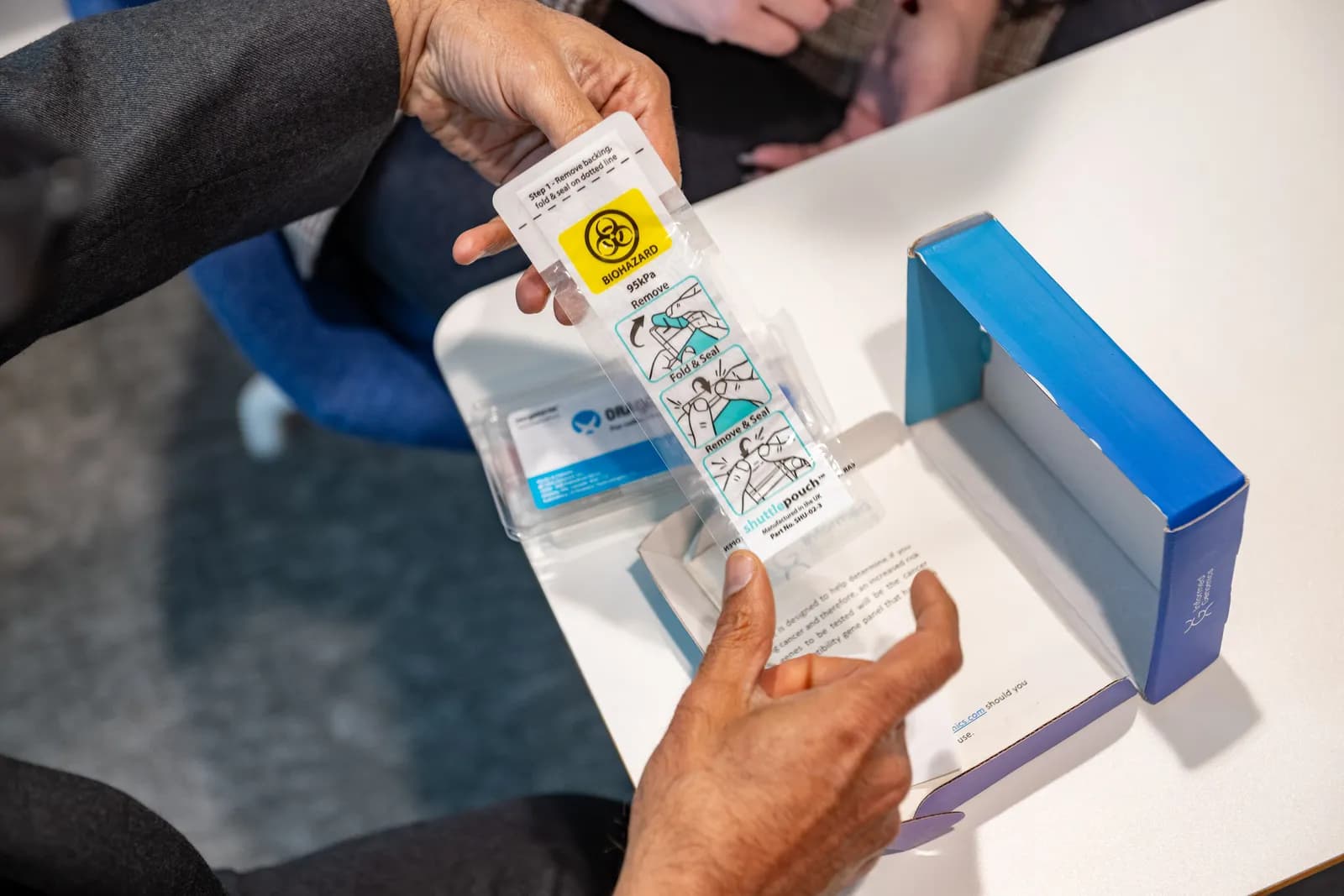
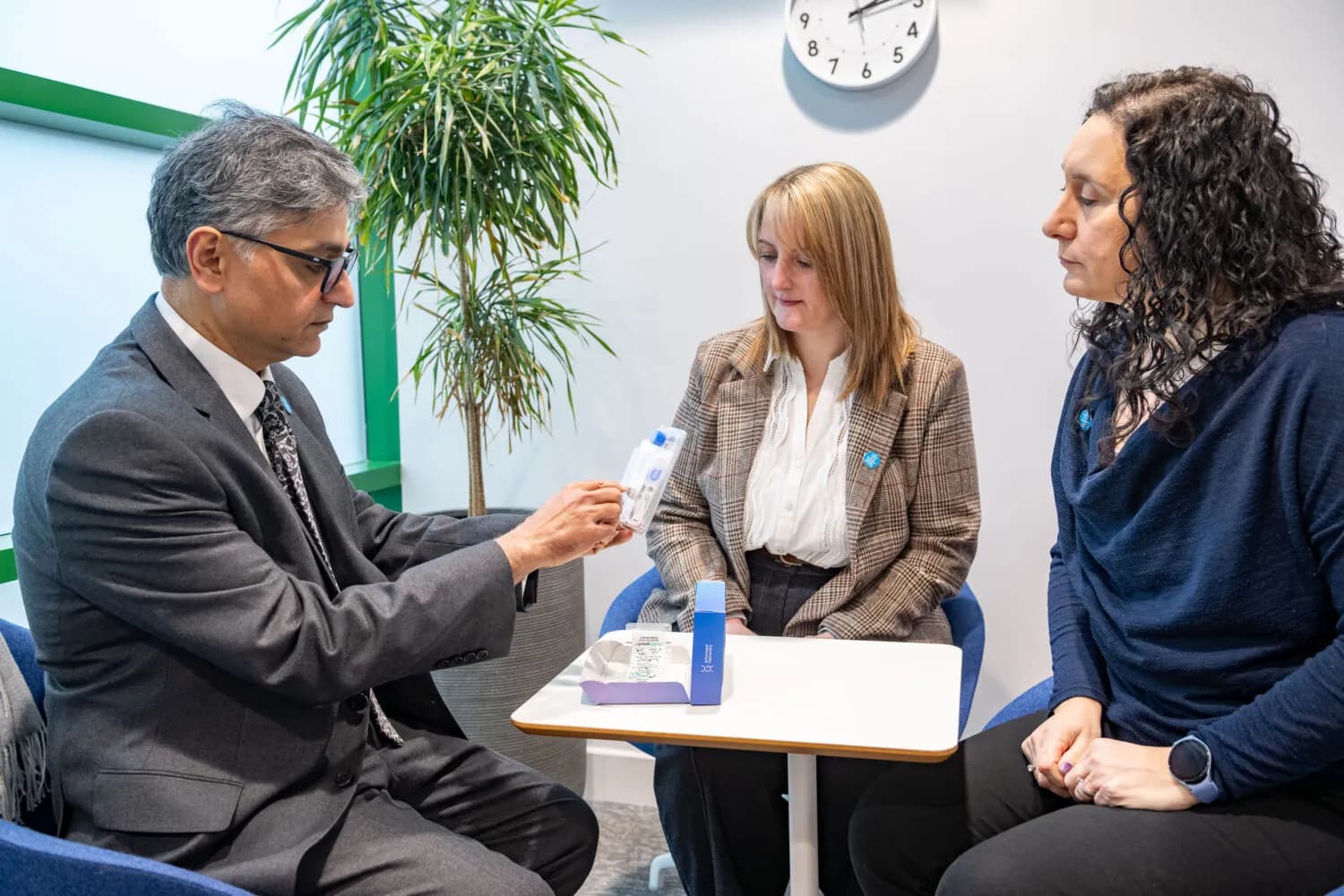
PROTECT-C is offering genetic testing to women regardless of their family background, and will aim to investigate the risks, benefits and feasibility of introducing this approach.
Protecting family and others
For Katie, knowing she has Lynch syndrome means she can take steps to protect not only herself, but also her family. Her mum and brother are now planning to get tested.
Katie is also waiting to have a full hysterectomy to reduce her risk of developing other cancers.
She said:
"I am a firm believer that if you are forewarned you are forearmed.
"If you know that you’re at risk of something then you can keep an eye on that, and it will empower you.
"If you know there’s a risk that runs through your family then you can also make decisions to help protect them. My mum is still potentially at risk of developing another cancer. I also have a one-year-old niece, and I would hate for her to find out there’s something running in our family that she wasn’t aware of.
"I just can’t imagine not knowing. I want to protect my niece and my family as best I can, and the test is the only way I’m going to be able to do it."
Katie hopes the PROTECT-C trial will lead to the rolling out of genetic testing in every doctor’s surgery. As an Emergency Ambulance Dispatcher, she says the NHS is "very good at reacting to things but not very good at stopping things from happening".
She argues that the consequences of not introducing genetic testing far exceed the costs of introducing it.
She said:
"I dread to think how much it’s cost to put me through the chemotherapy, the immunotherapy, the doctor’s appointments, the medication for the side effects, the operations I’ve had.
"If I’d been tested 10 years ago and had a colonoscopy every two years, it could have saved the NHS thousands upon thousands of pounds.
"Not only does it not seem financially sound, but it also feels a bit morally wrong. Why have testing and then not make it available? That doesn’t really seem fair.
"I think the PROTECT-C trial is an amazing thing. If you know what your risk is, you can do something about it. Cancer is a big thing in Yorkshire, but we’ve got some amazing people who are working on saving lives. It’s important that we get more people under that safety net."
Living well with cancer
Since her cancer diagnosis, Katie doesn’t say "no" anymore. She’s got married, changed her career, moved house and ticked some dream holidays off her bucket list.
She’s also determined to use her experience to help others, and recently joined the Bowel Cancer Intelligence UK Patient-Public Group, which provides support to the Yorkshire Cancer Research Bowel Cancer Improvement Programme.
This multimillion-pound research study aims to ensure all people with bowel cancer in Yorkshire receive gold-standard care.
As part of the programme, Lynch syndrome testing for people with bowel and endometrial cancer was successfully introduced at NHS Trusts across Yorkshire, proving that it could be delivered by the NHS at scale.
She explained:
"I can’t change anything that’s happened. All I can do is talk about it.
"It’s nice to hear from someone who’s been through this journey and to learn there is a positive outlook. You can live well with cancer. I’m a prime example of that.
"I’m out and about a lot. I don’t sit still. I make sure I see my friends a lot more, and if I get the opportunity to be outside, I’ll be outside. I’ve done whatever I’ve wanted to do, because what’s the point in being unhappy when you don’t know how long you’ve got?"
More information about the first-of-its-kind PROTECT-C cancer genetic screening trial can be found on the Yorkshire Cancer Research website.