Carrying a BRCA gene variant can feel isolating, but research could open up new options for cancer prevention
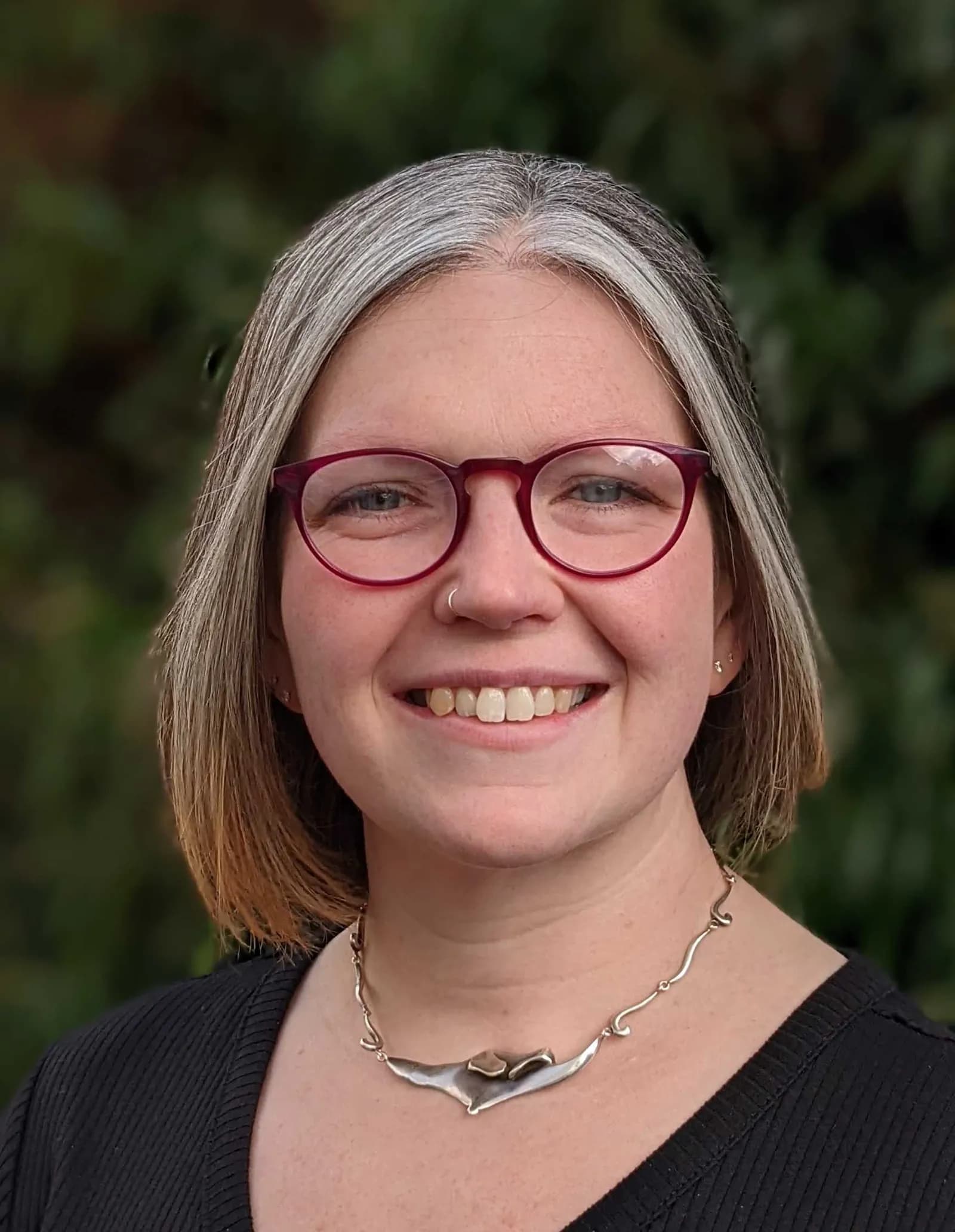
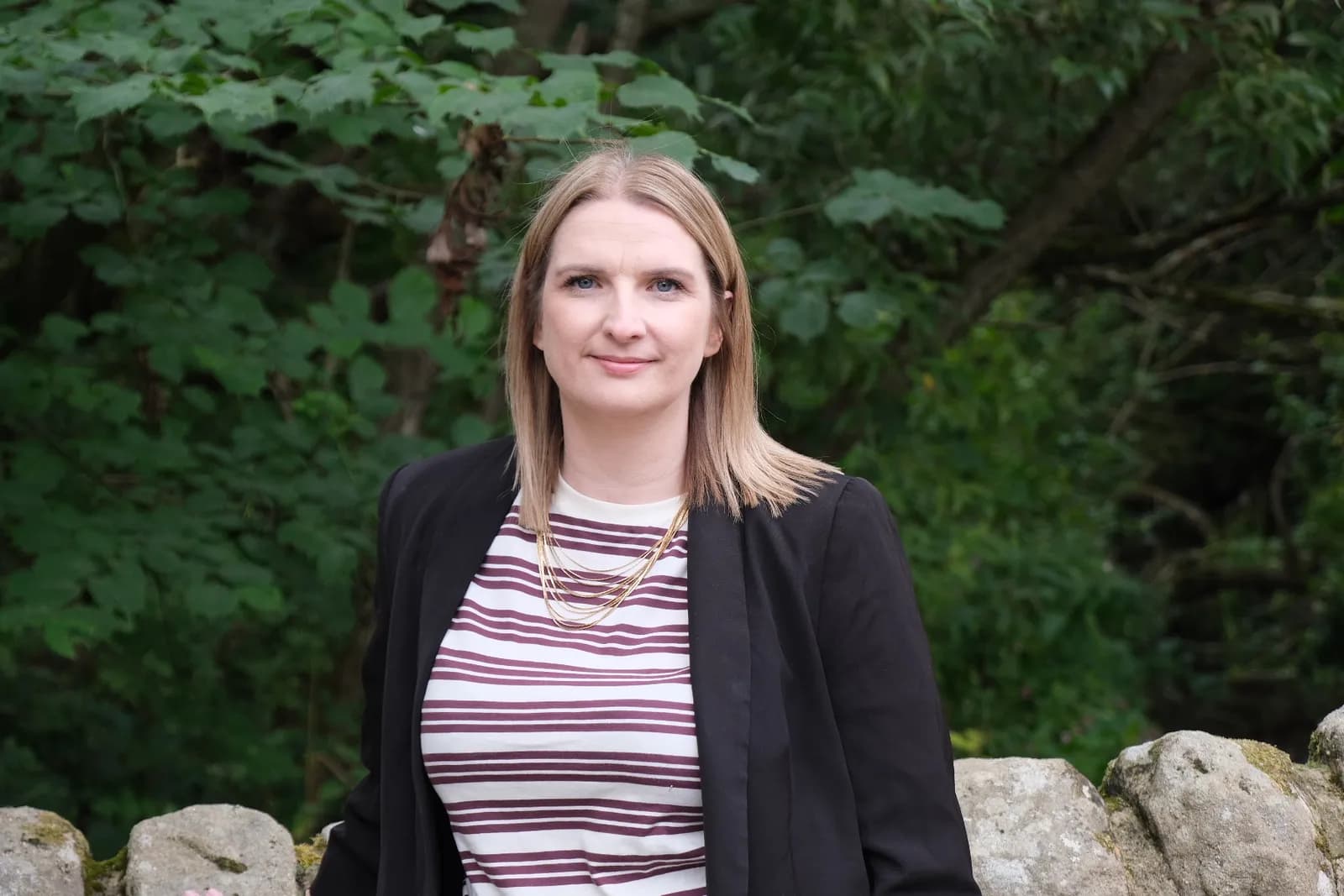
When Beth Elias from Bradford discovered she carried an inherited BRCA2 gene variant, years of cancer diagnoses in her family suddenly made sense. Now, as an ambassador for a new Yorkshire Cancer Research-funded study, she is helping researchers explore whether existing cancer drugs could one day offer another option for people at increased genetic risk.
Beth’s grandmother died from ovarian cancer more than 20 years ago, while several women on the same side of the family have since been diagnosed with breast cancer. Her aunt is living with an incurable form of the disease.
Concerned about their family history, Beth and her two sisters asked their GPs about genetic testing. They were referred to a cancer genetics service and decided to go through the process together, despite living in different parts of the country.
When their results arrived, the sisters waited until they were together before opening the letters. Both Beth’s sisters received negative results. Beth discovered she carried the BRCA2 gene variant.
“Both my sisters came back with negative results, but I tested positive for the BRCA2 gene variant. It was a huge shock. We'd all gone through the process together, but suddenly it felt like it was just me.”
What does a BRCA gene variant mean?
BRCA1 and BRCA2 are genes that help repair damaged DNA and prevent cells from growing or dividing uncontrollably. Some inherited variants can affect how effectively this repair process works, increasing the risk of certain cancers.
It is estimated that around one in 400 people carry a BRCA genetic variant, equivalent to nearly 11,300 people across Yorkshire.
Following assessments of her family history and lifestyle, Beth, now 37, was told she has a 60% chance of developing cancer during her lifetime, with her risk increasing after the age of 40.
She is receiving specialist care in Bradford and will have more regular NHS screening, including annual breast MRI scans before moving on to regular mammograms at 50.
For women carrying a BRCA gene variant, the lifetime risk of breast cancer can be substantially higher than that of the general population. Around 12 in 100 women in the UK develop breast cancer during their lifetime, compared with up to 72 in 100 women who carry a BRCA gene variant.
For Beth, knowing about her genetic risk has changed the way she approaches her health.
“I’m much more proactive now about looking out for potential signs and symptoms of breast cancer. Knowing gives me control, and that’s the biggest positive to come out of this.”
Exploring new ways to reduce cancer risk
Beth has been considering a range of options to reduce her risk, including preventative surgery and medication.
In May, she was prescribed hormone therapy intended to reduce the risk of breast cancer developing. However, she experienced side effects and subsequently stopped taking the medication.
She remains open to other preventative treatments, which is one reason she has become an ambassador for the PARP Inhibitors for Cancer Risk Reduction in Carriers (PARCC) study.
Funded by Yorkshire Cancer Research and led by researchers at the University of Cambridge, the study will explore whether people with an inherited risk of cancer would consider taking PARP inhibitors to reduce their risk of developing cancer.
PARP inhibitors are already used to treat some cancers associated with BRCA genetic changes. Researchers are now exploring whether the drugs could also have a role in cancer prevention among people who have inherited genetic changes that increase their risk.
The study will involve more than 1,300 people from Yorkshire, alongside thousands of others across the UK. Researchers will ask people with experience of inherited cancer risk about their views on using PARP inhibitors for prevention and what would matter most to them when considering participation in a future cancer prevention clinical trial.
For Beth, involving people with inherited cancer risk in this research is particularly important.
“I’m hugely supportive of this study because it could be the first step towards creating new options for people like me. At the moment, there are limited drugs to reduce the risk of cancer, and each comes with significant physical and emotional considerations.”
A deeply personal decision
Alongside her involvement in the research, Beth is facing decisions about preventative surgery. She is considering a double mastectomy to reduce her breast cancer risk, as well as possible future surgery to remove her womb and ovaries.
With two young children, aged six and two, the decision carries both medical and personal considerations.
She has also sought counselling, joined support groups and connected online with other people facing similar experiences. While these sources of support have helped, she believes more support is needed for people who have not had a cancer diagnosis but are living with an increased risk.
“I haven’t had cancer, but living with the knowledge I have an increased risk of developing it can still feel incredibly difficult. I want to help others like me understand they’re not alone.”
Her experience has also shaped her commitment to cancer prevention research.
The PARCC study is at an early stage and is focused on understanding attitudes towards potential future prevention trials. It does not mean PARP inhibitors are currently established as a way to prevent cancer in people with inherited BRCA variants.
For Beth, however, research offers the possibility of expanding the choices available to people who face difficult decisions about their future health.
“Cancer prevention research is so important. If other options become available in the future, why wouldn't we want to explore them? Research gives people choices, and the PARCC study gives people with an inherited cancer risk a voice.”